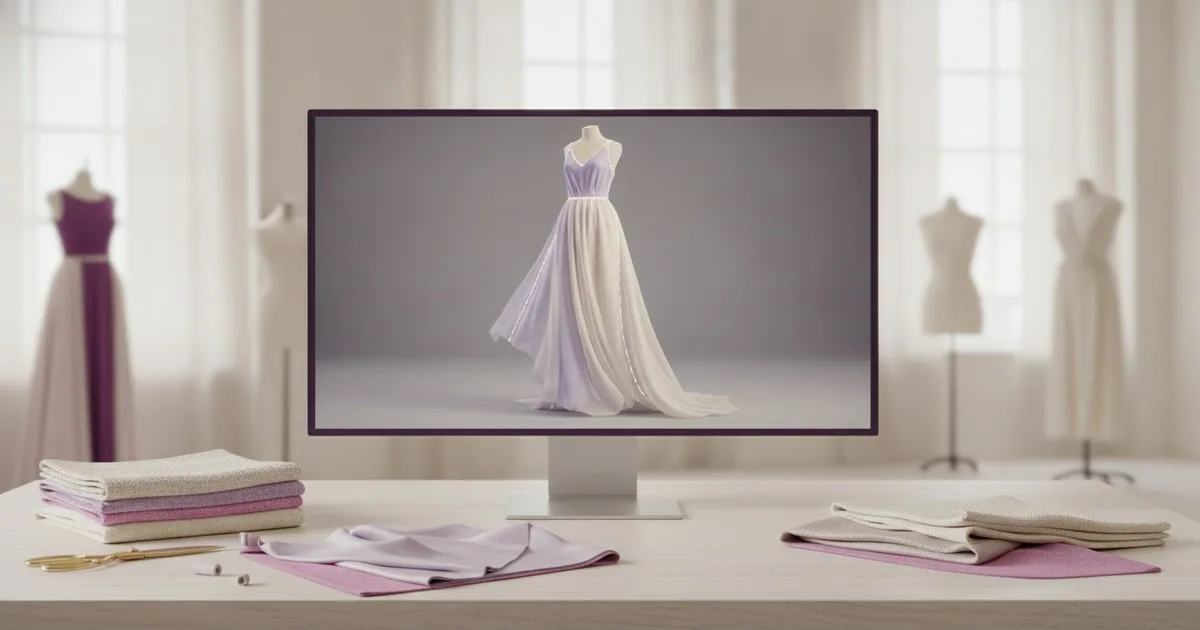
Every physical sample that never becomes a finished garment represents fabric, labour, shipping and water that served no purpose. Across the industry, brands have begun replacing rounds of physical prototypes with digital ones — garments that exist first as a simulation, tested on screen before a single thread is cut. The five brands below have each made public commitments to this approach, giving you something concrete to weigh when you decide where to spend.
Key takeaways
- Reducing physical sampling is one of the most direct levers a brand can pull to cut pre-production waste.
- Several major brands now report targeting significant reductions in sample rounds through 3D digital prototyping.
- Tools like Browzwear's physics-based simulation platform and Seddi's fabric digitisation work sit behind many of these programmes.
- The shift is not only environmental: shorter sample cycles compress development timelines and reduce the cost of getting a product wrong.
- Consumer scrutiny of sustainability claims is rising, so brands that publish specific targets are easier to hold accountable than those that speak in generalities.
Why does 3D sampling matter for waste?
A conventional garment can go through three to eight rounds of physical samples before it is approved for production. Each round involves cutting fabric, sewing, shipping internationally for review, and often discarding the result. Research published in the International Journal of Fashion Design, Technology and Education has examined whether tools like 3D visualisation and PLM can reduce the environmental footprint of the supply chain — and the direction of the evidence points toward meaningful gains when brands commit to the workflow rather than treating digital samples as a supplement to physical ones.
The savings are not automatic. A digital prototype is only as useful as the accuracy of its fabric simulation, the resolution of its fit data, and the willingness of every stakeholder in the approval chain to trust what they see on screen. Brands that have made the most progress tend to be those that have invested in training, in high-fidelity fabric libraries, and in integrating 3D tools directly into their product development calendars.
The five brands
1. adidas
adidas has been among the most vocal in the sportswear sector about shifting its design process toward digital-first creation. The brand has publicly described ambitions to move a substantial share of its product range through 3D design workflows, with the goal of reducing the number of physical samples required per style. For a company operating at adidas's volume — across footwear, performance apparel and lifestyle categories — even a modest reduction in sample rounds per style translates into a large absolute reduction in material waste and freight.
What makes the adidas case worth watching is scale. When a brand this size commits to a digital workflow, it creates pressure on its suppliers and development partners to adopt compatible tools and processes. The signal travels through the supply chain.
What is still unclear: the degree to which digital approval has replaced physical sign-off at the final stage, and how the programme is distributed across different product categories and sourcing regions.
2. Hugo Boss
Hugo Boss — which designs and retails premium menswear and womenswear under the BOSS and HUGO labels — has publicly positioned digital product creation as a core part of its development process. The brand has described using 3D design to reduce sample rounds and accelerate the time between concept and production-ready specification.
For a premium house, the stakes of a poorly fitting or poorly constructed physical sample are high: the cost of each prototype is greater, the supply chain is more complex, and the expectations of wholesale buyers and retail teams are exacting. Moving approvals to screen requires a level of simulation fidelity that was not available a decade ago and is only now becoming reliable enough for premium categories.
Hugo Boss is currently the subject of a pending unsolicited takeover offer from Frasers Group, its largest shareholder. Whether that corporate uncertainty affects the pace of its technology investment is one of the more interesting things to follow over the next year.
3. Arc'teryx
Arc'teryx — part of Amer Sports, which is majority-owned by Anta Sports — makes technical outdoor apparel where fit precision is not a preference but a safety consideration. A Gore-Tex shell that does not seal correctly at the seams, or a climbing harness-compatible layer that restricts movement, is a product failure in a way that a slightly loose dress shirt is not.
That pressure has pushed Arc'teryx toward detailed digital prototyping earlier in its development cycle. The brand has spoken publicly about using 3D tools to validate construction and fit before committing to physical samples, particularly for complex technical pieces where the interaction between materials, seams and movement patterns is difficult to judge from a flat sketch or a spec sheet alone.
The interesting tension here is between the brand's reputation for obsessive physical testing — its design team is based in North Vancouver, close to the mountains its products are designed for — and the efficiency logic of digital-first development. The two are not incompatible, but the balance the brand strikes is worth watching.
4. A mid-market sportswear perspective: what volume brands are learning
Beyond the headline names, a pattern is visible among mid-market sportswear and activewear brands that have adopted platforms like Browzwear's VStitcher and SmartDesign suite. These tools use physics-based simulation to model how a fabric behaves under tension, how a seam sits on a moving body, and how a finished garment compares to its technical specification — all before a physical sample is cut.
Brands we speak to in this space report that the first one or two sample rounds are the easiest to eliminate digitally, because those rounds are typically about gross proportion and construction logic rather than the fine tactile and fit judgements that still benefit from a physical garment. The later rounds are harder to replace — but even cutting two rounds from a six-round process represents a meaningful reduction.
Seddi's Textura.ai platform, which generates 3D digital textiles from real fabric data, addresses one of the persistent weaknesses in this workflow: the gap between how a simulated fabric looks on screen and how the real material behaves. Closing that gap is what makes a digital approval credible enough to act on.
5. The broader direction: what these programmes have in common
Across the brands above, a few patterns repeat. First, the commitment to 3D design tends to begin with categories where the cost of getting a sample wrong is highest — technical outerwear, performance sportswear, complex tailoring — and then expand outward. Second, the brands that report the most progress are those that have integrated digital tools into their approval workflows rather than running them in parallel with physical samples. Third, the environmental case and the commercial case point in the same direction: fewer samples means less waste and a faster calendar.
What varies is the depth of the commitment. A brand that uses 3D renders for marketing while still running full physical sample rounds has not reduced waste in any meaningful sense. The test is whether digital sign-off has replaced physical sign-off at the development stage — and that is still difficult to verify from the outside.
What should you look for as a consumer?
When a brand makes a claim about reducing physical sampling, the useful follow-up questions are: what percentage of styles go through a digital-first process, and at what stage does a physical sample still enter the workflow? A brand that can answer those questions with specifics is in a different category from one that uses 3D design as a marketing talking point.
Published sustainability reports that include sample reduction targets — with baseline figures and progress updates — are the most reliable signal. Vague language about "digital innovation" or "virtual design" without accompanying numbers is harder to evaluate.
FAQ
Which fashion brands are using 3D design to reduce waste? adidas, Hugo Boss and Arc'teryx are among the brands that have publicly described using 3D digital prototyping to reduce physical sample rounds. Several mid-market sportswear brands have adopted similar workflows using simulation platforms.
Does 3D sampling actually reduce fashion waste? It can, but only when digital approval genuinely replaces physical sample rounds rather than supplementing them. The reduction in fabric, labour and shipping can be significant at scale, but the workflow requires investment in training and fabric simulation accuracy.
What tools do fashion brands use for 3D prototyping? Platforms like Browzwear (VStitcher, SmartDesign) offer physics-based garment simulation and AI-assisted fit validation. Seddi's Textura.ai generates 3D digital textiles from real fabric data, helping close the gap between screen simulation and physical material behaviour.
How can I tell if a brand's 3D design claim is genuine? Look for published sustainability reports with specific sample reduction targets, baseline figures and year-on-year progress. Brands that can say what share of styles go through a digital-first approval process are more credible than those using general language about virtual design.
Is 3D fashion design only for large brands? No. Mid-market and independent brands use the same simulation platforms. The barrier is less about company size and more about integrating digital approval into the development calendar and training teams to trust what they see on screen.
Further reading
- Should the fashion industry confront the sustainability challenge with 3D visualisation and PLM? — International Journal of Fashion Design, Technology and Education