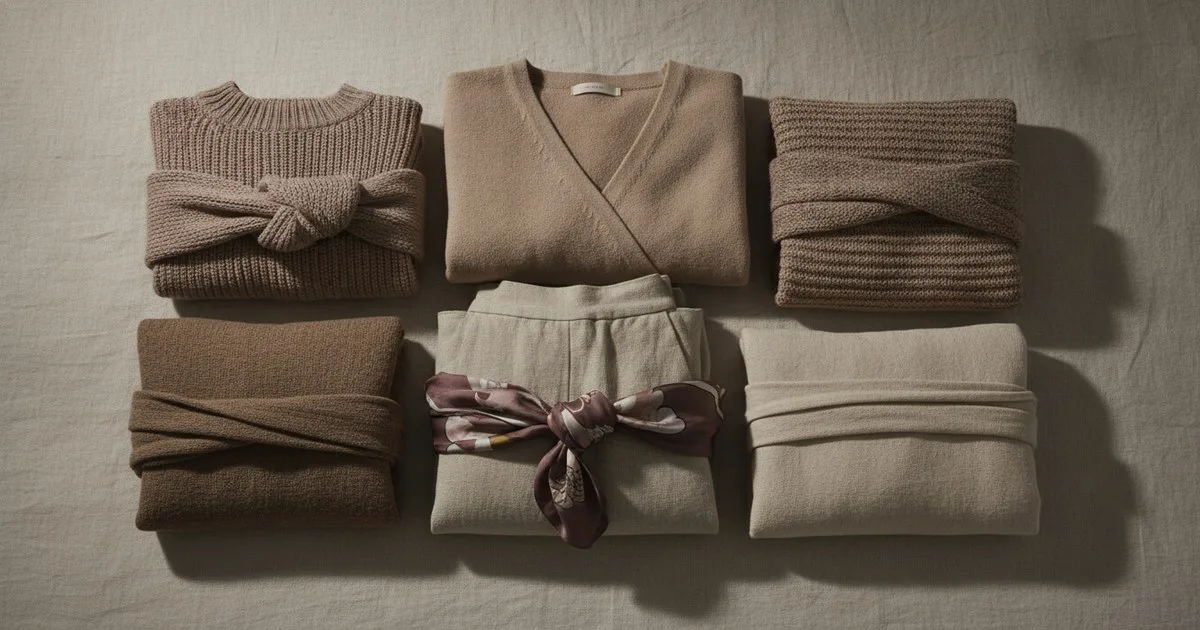
Open almost any fashion retailer's website today and the images you're scrolling through may not have been shot in a studio. A growing number of brands are using AI to generate or substantially alter their product photography—and while the results can look indistinguishable from a traditional shoot, the decisions behind them are quite different. Understanding what's changed helps you shop with clearer eyes.
Key takeaways
- AI-generated product images let brands show clothing on a far wider range of body types and skin tones without the cost of multiple studio sessions.
- Colour rendering in AI imagery can be extremely precise—but only when the underlying data is accurate; discrepancies still happen.
- Brands are using AI visuals earlier in the production process, meaning some images you see online represent a garment that is still being made.
- AI photography tools are now accessible to small independent labels, not just large retailers.
- Knowing what to look for in a product image—AI-generated or not—makes you a more confident shopper.
1. The model in the photo may not be a person
For most of fashion retail's history, showing a garment on a human body meant hiring a model, booking a studio, and running a full shoot. That equation has shifted. Platforms like Caimera now offer AI-generated fashion models as part of a broader visual production suite—tools that let brands place a garment on a digitally created figure rather than a photographed one.
What this means for you as a shopper: the body in the image may have been chosen from a library of AI-generated figures, or even customised to a brand's brief. On the positive side, this makes it far easier for brands to show the same piece on multiple body shapes, heights, and skin tones without the expense of a multi-day shoot. A small independent label that previously could only afford one or two model images per product can now show a dress on several different figures at a fraction of the cost.
What's worth watching: AI model images are only as representative as the choices the brand makes. A tool that offers hundreds of body types is still only useful if the brand opts in to that diversity. When you're shopping, it's worth checking whether a brand shows its pieces across a genuine range of fits—or whether the AI has simply been used to replicate the same narrow ideal more cheaply.
2. Colour accuracy is both better and more complicated
One of the oldest frustrations in online shopping is receiving something in a shade that looks nothing like the screen. AI-generated imagery introduces a new dimension to this problem—and, in some cases, a genuine improvement.
When a brand uses AI to render a product image from a digital colour file, the hue can be reproduced with a precision that a camera under studio lighting sometimes can't match. The digital file knows exactly what the colour is; the photograph has to interpret it through light, lens, and post-processing. Tools like Adobe Firefly allow creative teams to adjust and render colours directly from source material, reducing the drift that happens between a designer's original swatch and the final image.
The complication is that this precision only holds if the original data is accurate. If a supplier's digital fabric file doesn't perfectly represent the physical textile—which is common, especially for textured or iridescent materials—the AI image can look crisp and confident while still being wrong. As a shopper, reading the reviews section for colour comments remains as important as ever, regardless of how polished the product image looks.
3. You may be looking at a garment that hasn't been made yet
This is perhaps the most significant shift, and the one least visible to shoppers. AI-generated imagery is increasingly being used in the concept and pre-production phase—meaning a brand can publish a product image, take pre-orders or gauge interest, and only then commit to manufacturing.
Caimera, for instance, has been expanding its platform to support concept validation before production begins, positioning AI-generated visuals as a way to test whether a design resonates with customers before a single sample is cut. For brands, this reduces waste and financial risk. For shoppers, it means that a product you see listed online may still be weeks away from existing as a physical object—and in some cases, if interest is low, it may never be made at all.
This practice sits at an interesting intersection with sustainability. If AI imagery helps brands avoid overproducing garments that won't sell, it can meaningfully reduce deadstock. The caveat is transparency: a shopper clicking "add to cart" deserves to know whether the item is in stock, made to order, or still in the concept phase. Look for delivery estimates and stock notices, and don't hesitate to contact a brand directly if the listing is ambiguous.
4. Background and context are increasingly constructed
It isn't only the model that may be AI-generated—the setting, the lighting, and the entire visual world around the garment may be synthetic too. A jacket photographed against a real white wall and a jacket shown against an AI-generated mountain backdrop involve very different production processes, but they can sit side by side in the same product gallery without any indication of which is which.
Image generation tools such as Midjourney are widely used by creative teams to produce lifestyle imagery: the brand photographs the actual garment, then places it into a generated scene. This allows a small brand to suggest a Scandinavian winter, a sun-drenched terrace, or a busy city street without leaving their studio. The garment itself is real; the world around it is not.
For shoppers, the practical implication is that lifestyle images are now even less reliable as guides to how a piece will look in your actual life. The flat lay or the plain-background product shot—less glamorous, often further down the listing—tends to give you more honest information about drape, texture, and proportion. If a brand offers both, start with the plain one.
5. Small brands can now compete visually with large ones
For most of fashion's recent history, the quality of a brand's product photography was a rough proxy for its budget. A polished, well-lit image on a professional model signalled investment; a slightly blurry shot on a mannequin signalled a smaller operation. AI-generated imagery is dismantling that signal.
A one-person label working from a studio flat can now produce imagery that sits visually alongside a major retailer's catalogue. The tools are accessible, the costs are a fraction of a traditional shoot, and the results—when used thoughtfully—are genuinely professional. Caimera, for example, markets its platform to a range of brand sizes, and the catalogue-production and bulk-image tools it offers are no longer the exclusive territory of large buying teams.
This is worth knowing as a shopper because it changes what visual quality tells you about a brand. A beautiful product image no longer necessarily means an established, well-resourced company with robust quality control and easy returns. It may equally mean a very small operation with excellent taste in AI tools. The image is now less a signal of the brand's scale and more a signal of its aesthetic sensibility. For due diligence, look past the imagery to the returns policy, the shipping times, and the customer reviews.
What this means when you're shopping
None of this makes AI-generated product imagery bad. In many cases it is genuinely useful: more diverse representation, more colour precision, less waste from overproduction. But it does mean that the visual language of online shopping is shifting, and a little literacy goes a long way.
If you want to go deeper on how AI tools are changing the way fashion reaches you, our guide to using AI image tools to plan outfits before buying is a useful companion read, and our side-by-side look at virtual try-on tools for shoppers covers the related question of how to see clothes on your own body rather than a generated one.
FAQ
Are AI-generated product images legal? Generally yes, though regulations vary by country and are evolving. Some markets are beginning to require disclosure when images are substantially AI-generated, particularly around body representation. Check a brand's image policy if you're curious.
Can I tell if a product image is AI-generated? Sometimes. Look for unusual hand or finger rendering, backgrounds that feel slightly too perfect, and lighting that doesn't quite match the garment's shadow. But the tools are improving quickly, and detection is becoming harder.
Does AI imagery mean the product won't look like the photo? Not necessarily—colour rendering can actually be more accurate with AI tools when the source data is good. The bigger risk is lifestyle images that place a real garment in a constructed scene; the plain-background shot is usually more reliable.
Why do brands use AI images instead of real photography? Cost and speed are the main drivers. A traditional shoot with models, a studio, and a photographer takes days and significant budget. AI tools can produce comparable results in hours, which matters especially for brands with large catalogues or frequent new arrivals.
Is AI product photography better for the environment? It can be, particularly when it reduces the need for physical samples and travel. The sustainability case is strongest when AI imagery is used to validate designs before manufacturing, helping brands avoid producing garments that won't sell.
Further reading
- How Technology Is Changing Fashion Retail – Pure London
- Adoption of Virtual Try-on Technology for Online Apparel Shopping